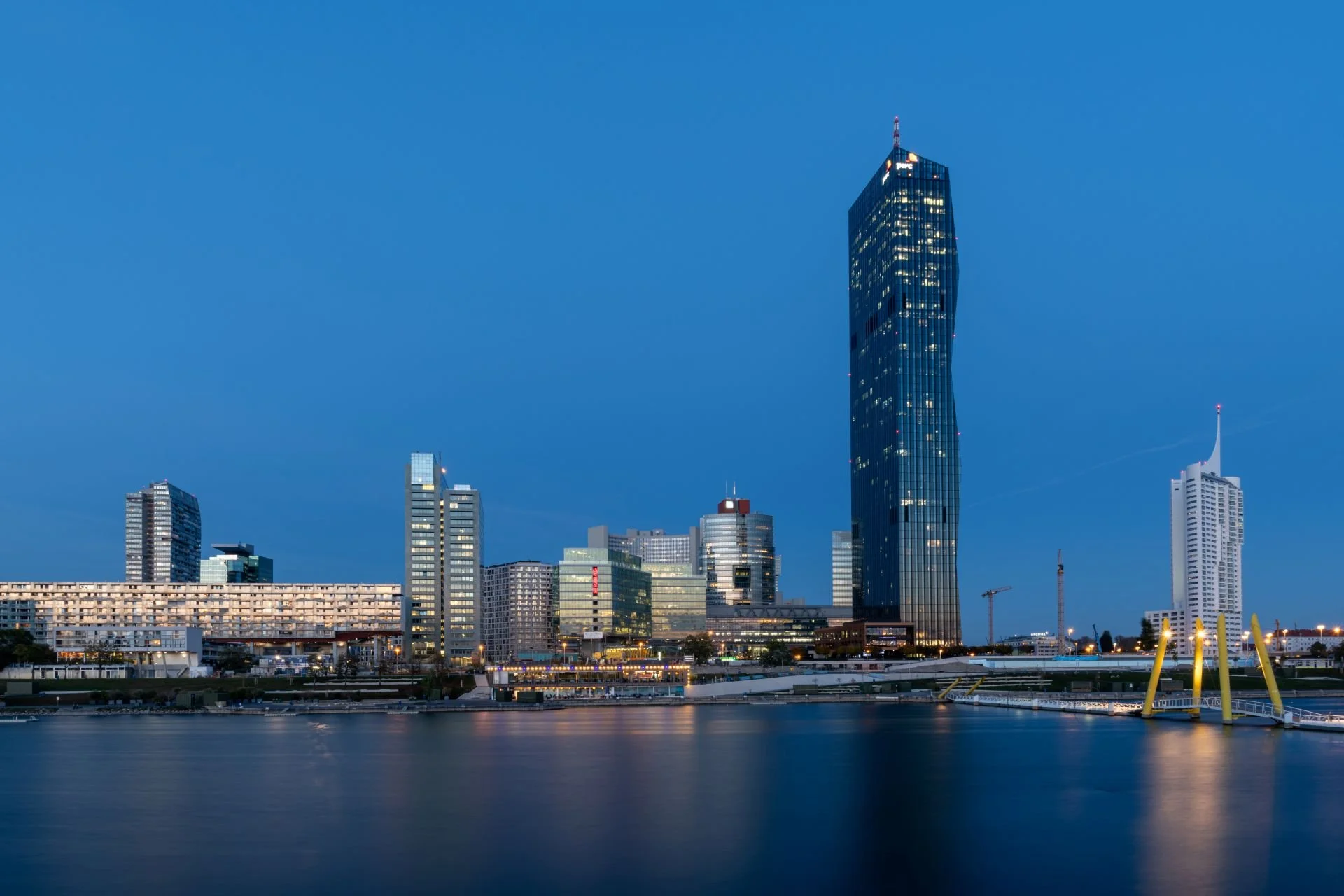
Evening skyline of Vienna’s 22nd district captured after sunset, glowing in blue hour light.
Vienna is often seen through its imperial heritage. Yet along the Danube, a new Vienna emerges – bold, geometric, and full of reflections
Atmosphere / Seasons / Setting
The Danube frames Vienna’s transformation. Dramatic skies, winter mornings and blue hour light reveal the city’s evolving skyline. These panoramic views show how Vienna’s modern architecture interacts with nature and seasonal moods.

Skyline of Vienna’s high buildings under dramatic clouds, captured from Donauinsel.

Creative perspective of Vienna’s skyline seen through a glass ball, reflecting modern architecture.

Skyline of Vienna’s 22nd district on a cloudy winter evening, soft light over the Alte Donau.
Details / Symbols / Techniques
Reflections and geometric facades tell Vienna’s modern story. Black-and-white contrasts and abstract window patterns highlight the city’s rhythm. These details transform architecture into symbols of innovation and creative photography.
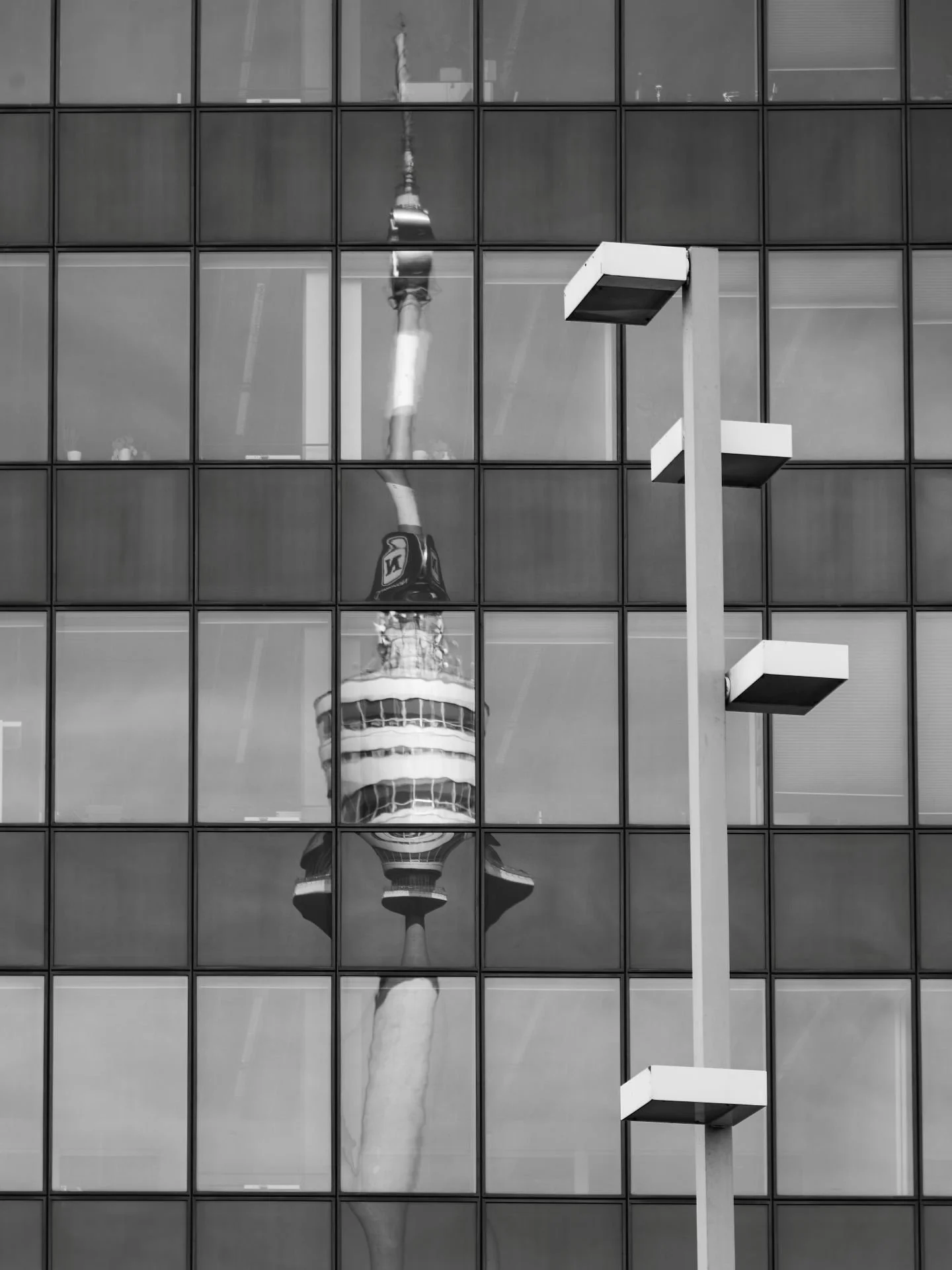
Black-and-white reflection of Vienna’s Donauturm in a modern glass facade.

Abstract detail of open windows in a modern building, bluish tones.
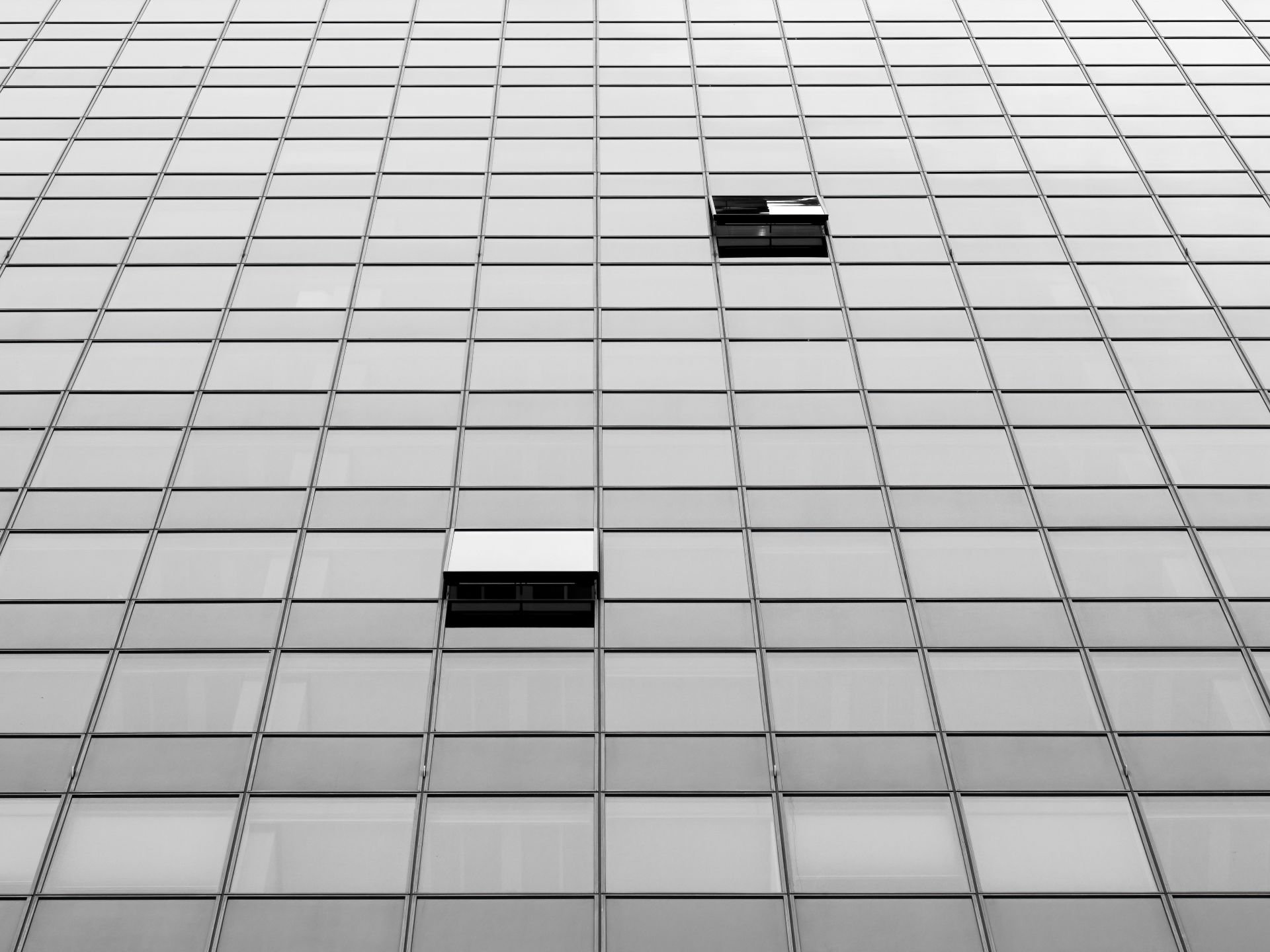
Monochrome capture of a modern facade with repetitive window structures.
Treasures / Insights / Learnings
Landmarks define Vienna’s ambition: the DC Tower as a symbol of progress, Saturn Tower blending with nature, and UNO City reflected in glass. These icons show how Vienna positions itself between tradition and modernity.
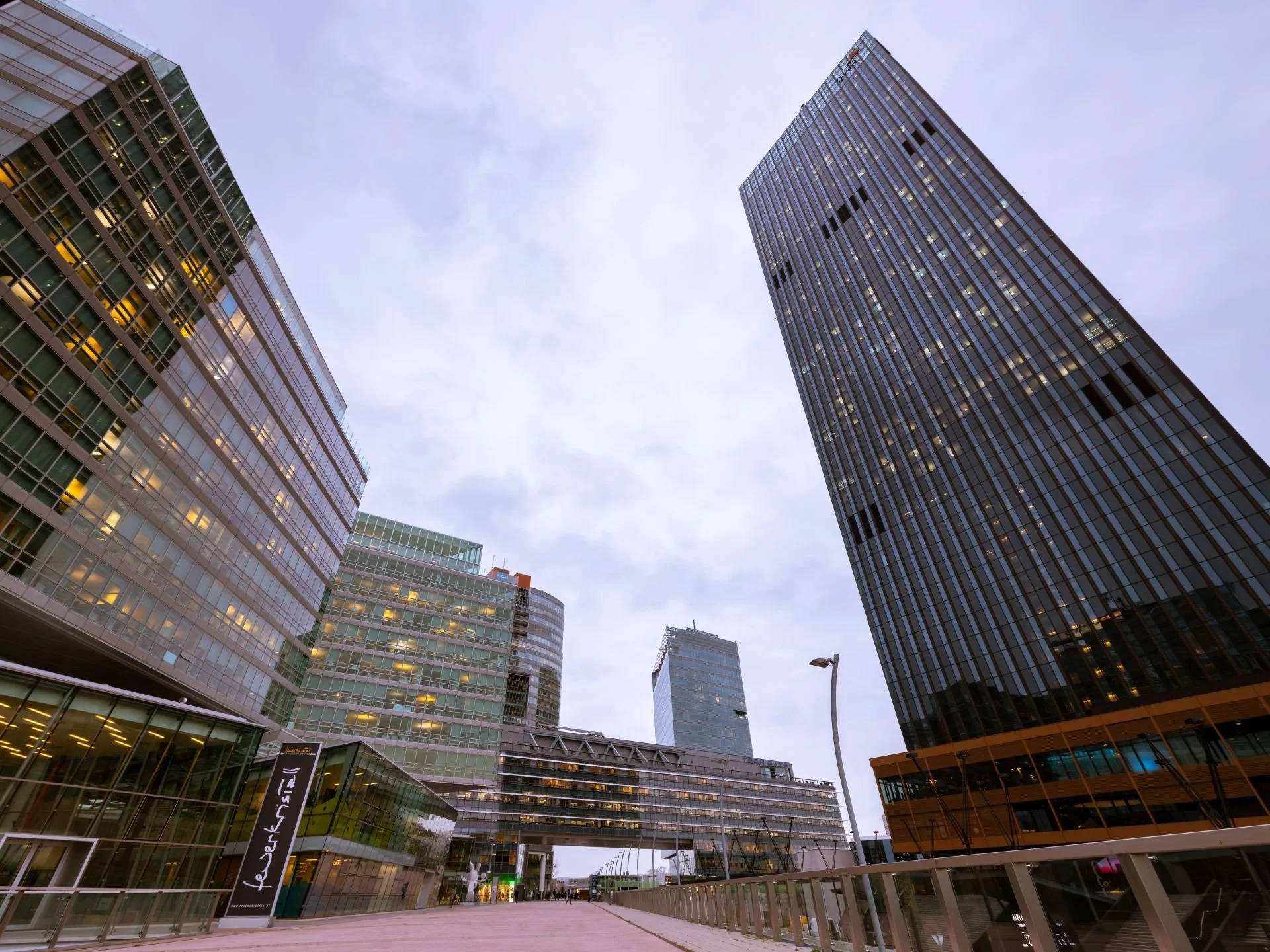
Group of skyscrapers including DC Tower under cloudy autumn skies.

Strong contrast of a yellow sunflower against the Saturn Tower and blue sky.
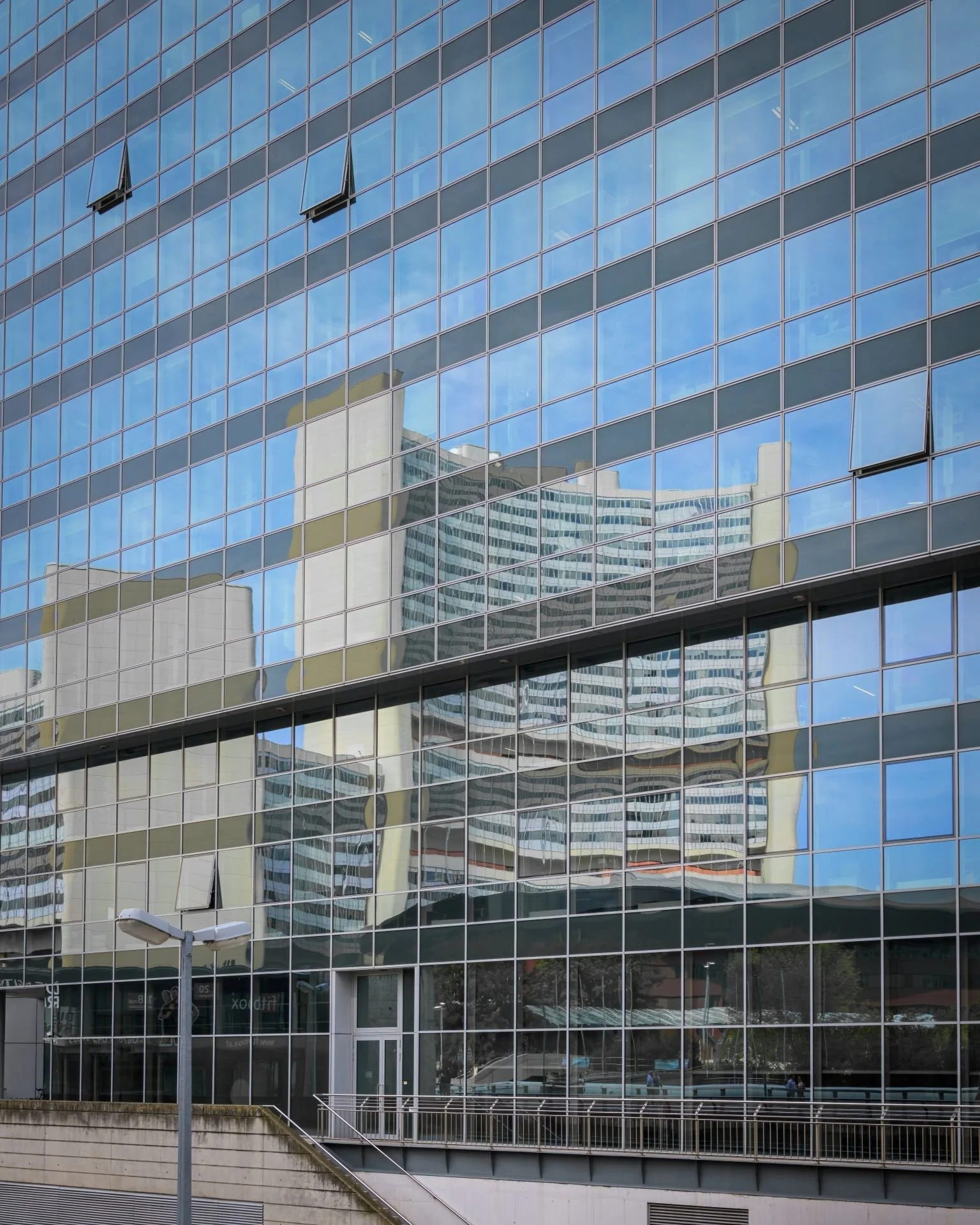
Reflection of UNO City on the facade of a modern high-rise in autumn sunlight.
Life & Tradition / Application
Modern Vienna is not only architecture – it’s contrast. Street lamps, cranes and trees against steel facades show how life and tradition coexist. These motifs highlight how everyday elements interact with monumental structures.
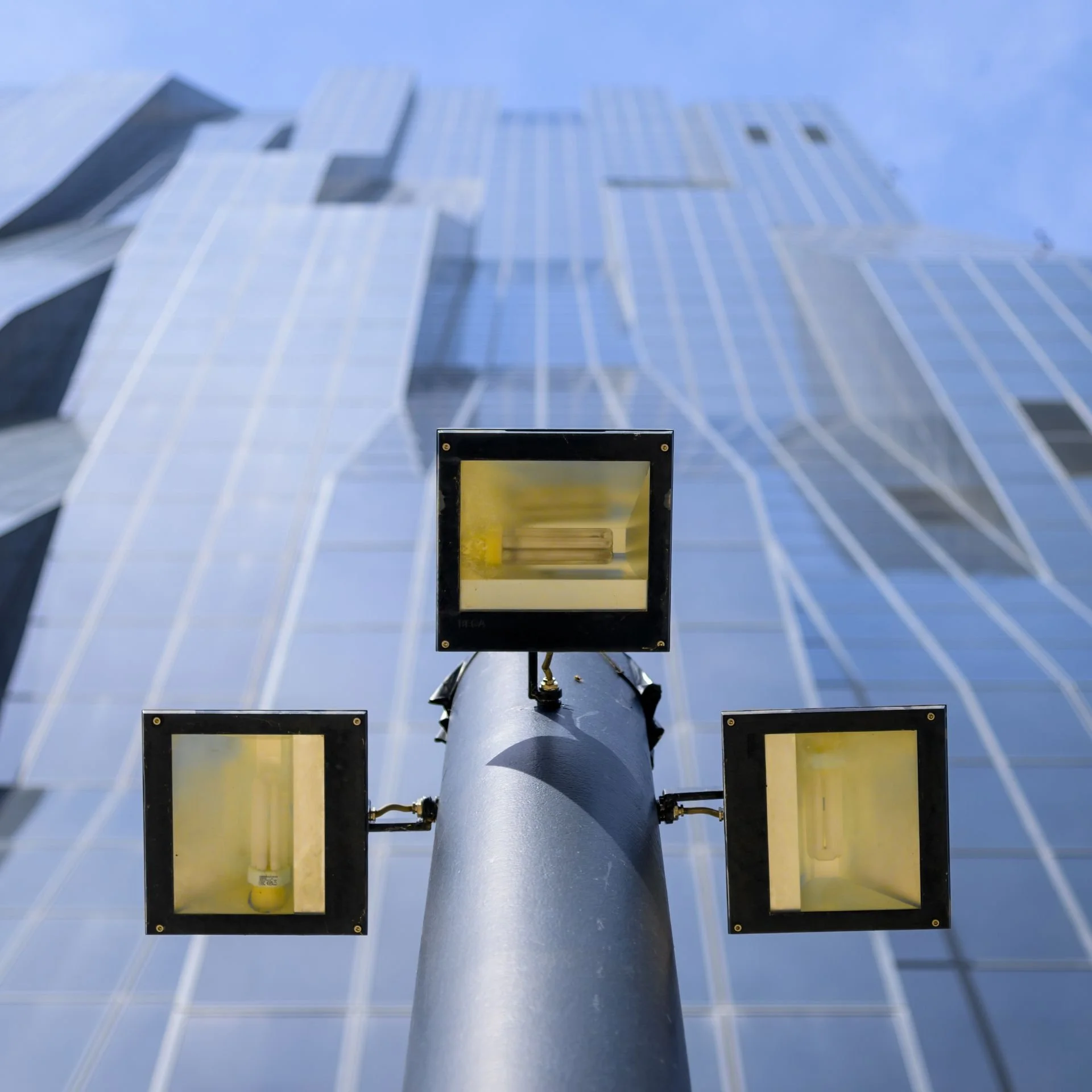
DC Tower framed with a yellow street lamp against bluish tones.
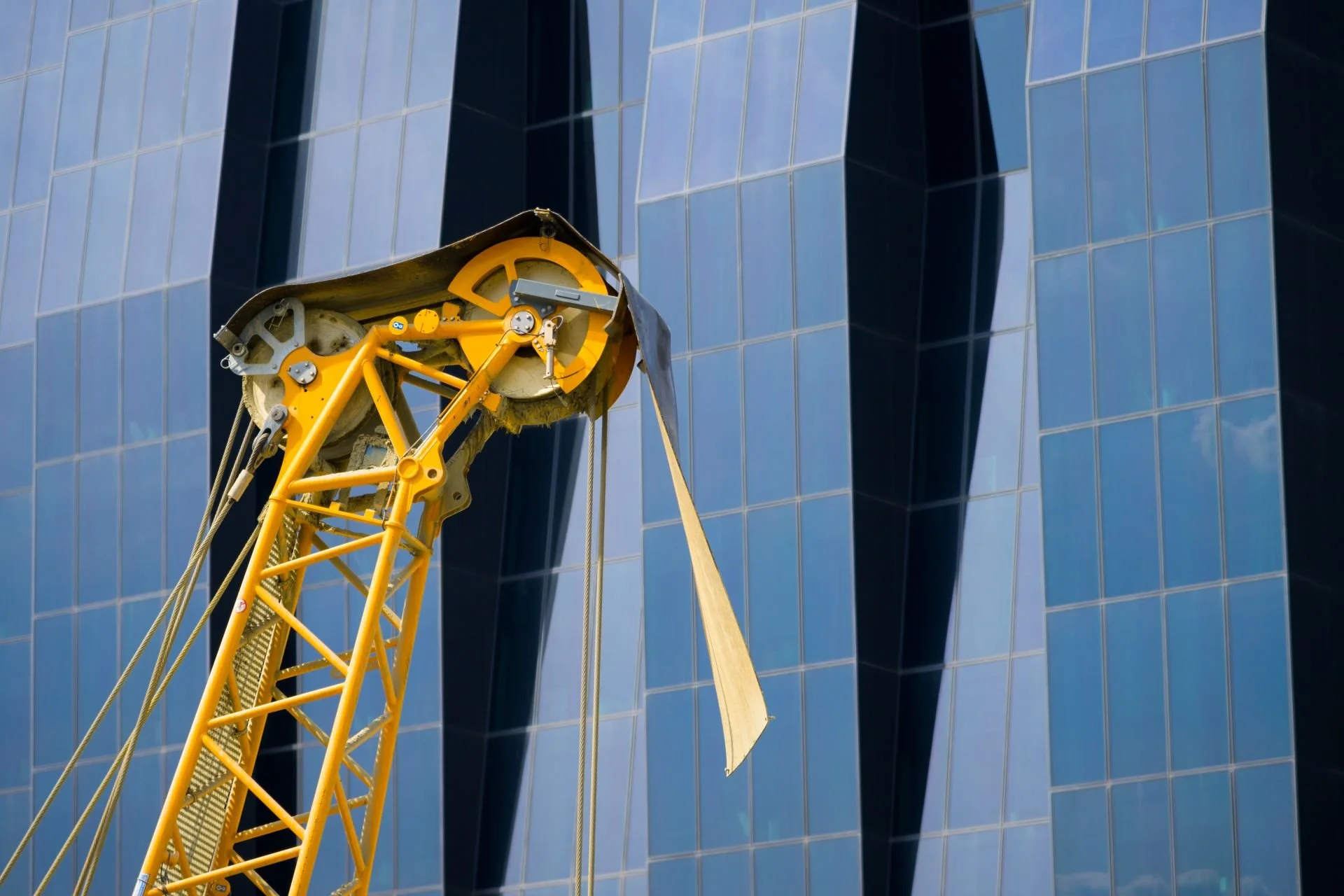
Yellow crane head contrasting with the DC Tower and blue sky.

Tree branch with green leaves contrasting against a modern glass facade.
Quick Foto Tips / Takeaways
Capture skylines at different times of day for mood variation.
Use reflections (water, glass, lens spheres) for creative perspectives.
Combine wide panoramas with close-up details for narrative depth.
Play with seasonal contrasts – winter skies vs. summer light.
Business Insights / IT Learnings: Clear Reflections, Clear Systems: What Architecture Teaches Us About Data Integration
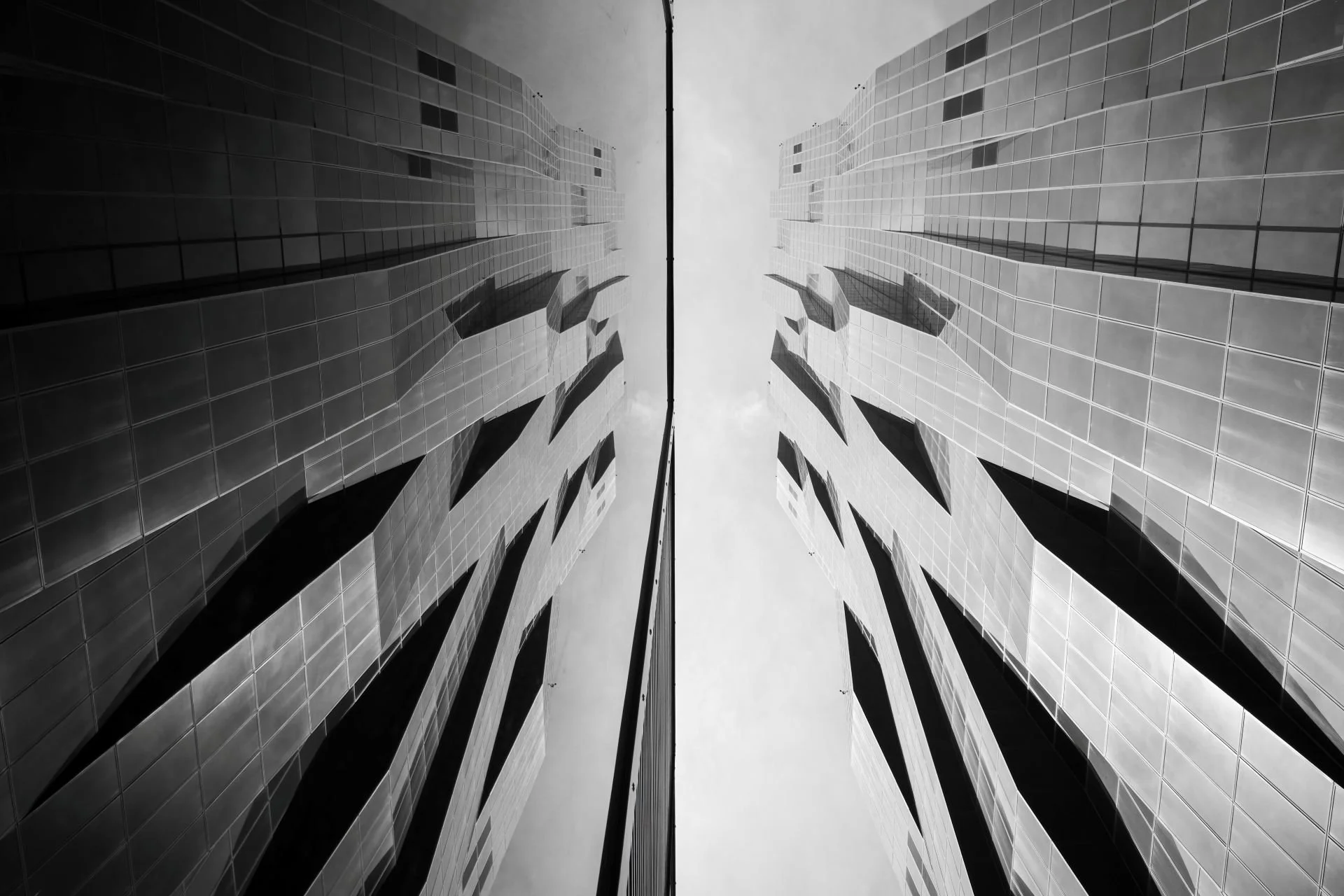
Monochrome capture of DC Tower and it’s reflection
When photographing Vienna’s DC Tower, I was struck by how precisely its glass surfaces mirror the surrounding skyline. Each reflection is sharp, yet subtly altered by perspective and light. Data in IT systems behaves in much the same way: it is mirrored, integrated, and passed along — and the quality of those reflections determines the reliability of the entire system.
Architecture as a Metaphor for IT Integration
A glass facade is only convincing if it reflects its environment consistently and cleanly. Small distortions disrupt the image. IT systems work the same way:
Data consistency: Only clean interfaces create an authentic overall picture.
Transparency: Just as glass facades reveal structure, transparent data flows build trust.
Governance: Rules and processes ensure reflections remain correct — in architecture as in IT.
Making System Governance Visible
System governance means IT systems don’t just function technically, but are also secure, efficient, and aligned with business goals.
Responsibilities: Who is allowed to do what in the system?
Policies: Guidelines for security, data quality, and access control.
Control: Monitoring and audits to detect deviations early.
Just as architects ensure a facade remains stable and aesthetically sound, IT teams must guarantee that systems stay consistent and trustworthy over time.
Lessons from Photography
Photographing reflections teaches us to look closely:
Perspective changes perception — in IT, data must remain consistent across different viewpoints.
Light and mood influence the image — in IT, context and business rules shape interpretation.
Only a clear mirror shows reality — only clean data integration reveals the truth within a system.